
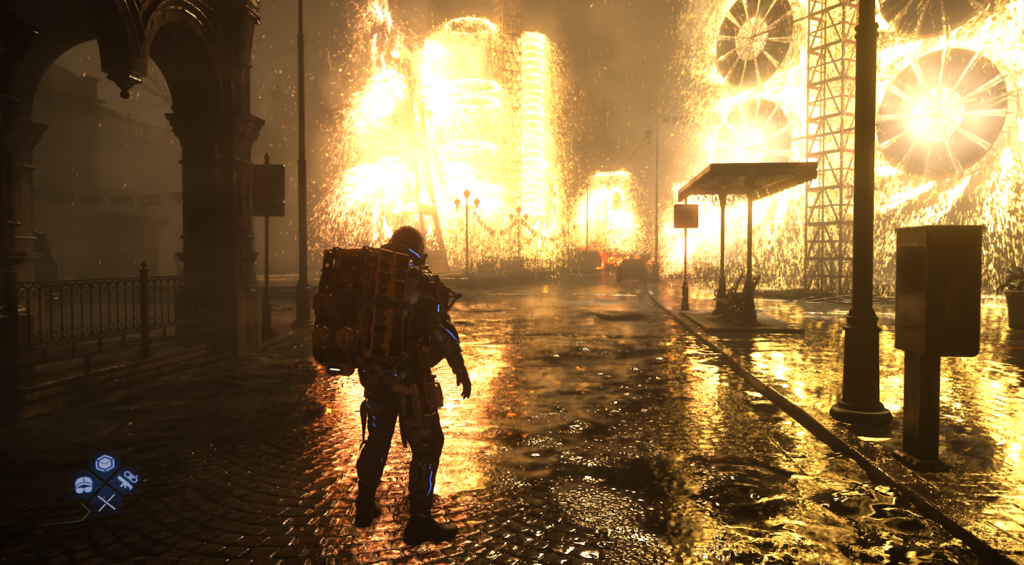
Death Stranding 2: On the Beach (DS2), Hideo Kojima’s sequel to the divisive yet much-beloved Death Stranding, hit PC on March 19th, 2026. Returning players will immediately feel at home, even with a new desert atmosphere that contrasts sharply with the foggy, mountainous landscapes of the first game. DS2 dives right back into the “porter” fray; players will find the controls virtually unchanged, with only minor button swaps taking place between entries.
However, the systems of the previous entry have been significantly improved. Transporting cargo—the primary job of porters—has evolved, with new means of traversing Mexico and Australia. You’ll find revamped vehicles, rebuildable road systems, and a newly added monorail system. Combat is more frequent and action-oriented this time around, with a fresh array of weapons and gadgets at Sam’s disposal. While core mechanics like the Chiral Network and Social Strand System return, the standout addition is the DHV Magellan, a mobile base of operations. Despite the new tech, Sam—much like in the original—will still spend the bulk of his time lugging packages across vast continents.
The story picks up some time after the events of Sam’s finale at Amelie’s Beach. The narrative continues to pull on the threads that began to unravel in the first game. To quote Higgs: “How do I form a connection when we can’t even shake hands?” As seen in the early trailers, Higgs returns to usher in the “Last Stranding,” forcing Sam to fight to connect what remains—one shelter and one city at a time. Encountering new foes like the Ghost Mechs, Sam’s journey across Mexico and Australia continues to explore the value of human connection and how those bonds are what make us strong enough to become a “strand.”
2. Performance
I played Death Stranding 2 at 1080p on an RTX 4060 using DLSS Frame Gen. My FPS hovered around 100, occasionally dipping to the 70–90 range during intense scenes; however, I never noticed any actual frame lag. Otherwise, DS2 played incredibly well on PC with full controller support—in my case, an Xbox Series X controller—though the game does feature full mouse and keyboard support for those who prefer it.
3. The “Dad Lens” (Logistics & Lifestyle)
Looking at this through the lens of a Dad, there are a few things worth noting. From a purely pragmatic approach, the game is not short. If you’re a newcomer, the main storyline runs about 30–60 hours without many pit stops. That said, if you want a game to come back to every night for a long while—and you enjoy “chewing” on one title for months—this is it. Optional content will easily extend that lifespan depending on your playstyle.
Crucially, the game allows you to save or load from the pause menu anywhere outside of combat, making it easy to drop the controller and return as needed. If you’re a gamer who wants one “forever” game to chip away at, give this a try. If you prefer to sink 20 hours or less into a title and move on, this may not be the best choice for you.
On a heavier note, it is worth mentioning the game’s themes regarding children. Not a trigger warning, per se, but a heads-up: the loss of children is a constant, heavy theme throughout the story. In my opinion, this theme is expounded upon much more in DS2 than in the original, so keep that in mind if you’re looking for a light escape.